
Guangcan Su
Postdoctoral Researcher · Northwestern University
I build sustainability assessment workflows that connect process simulation, life cycle impacts, techno-economics, and AI to evaluate which emerging carbon and clean-energy systems can work at scale.
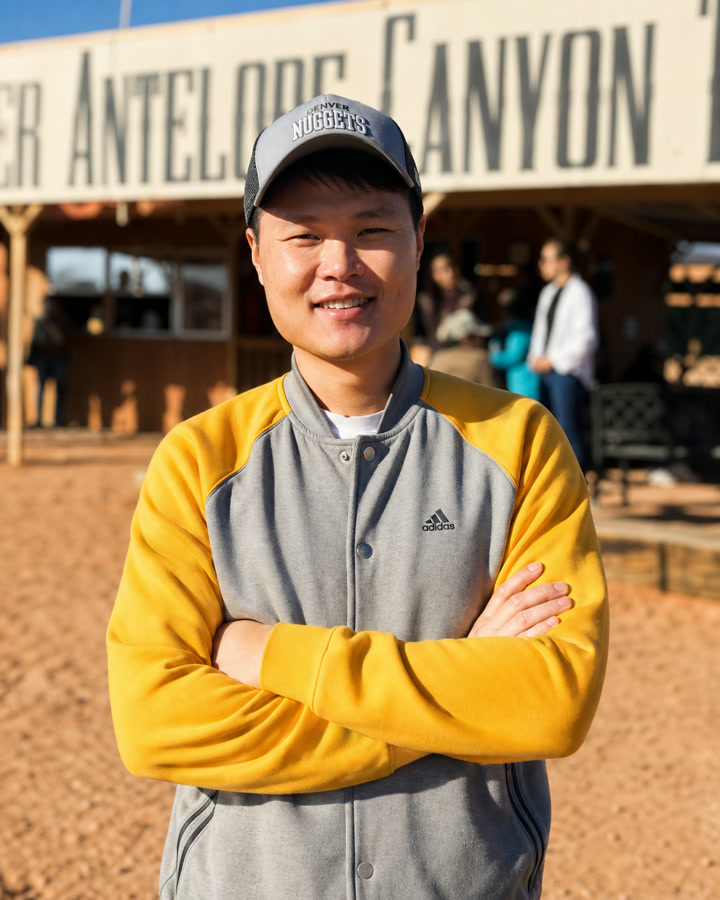
I'm a postdoctoral researcher at Northwestern University working at the intersection of process simulation, sustainability assessment, and AI. My research combines life cycle assessment (LCA), techno-economic analysis (TEA), and spatial modeling to evaluate emerging technologies for carbon conversion, direct air capture, and clean energy systems — and to understand which of them actually make sense at scale.
Carbon conversion, waste valorization, and AI-enabled assessment.
Recent publications span reactive carbon capture, electrochemical conversion, biochar systems, and data-driven tools for sustainable process design.
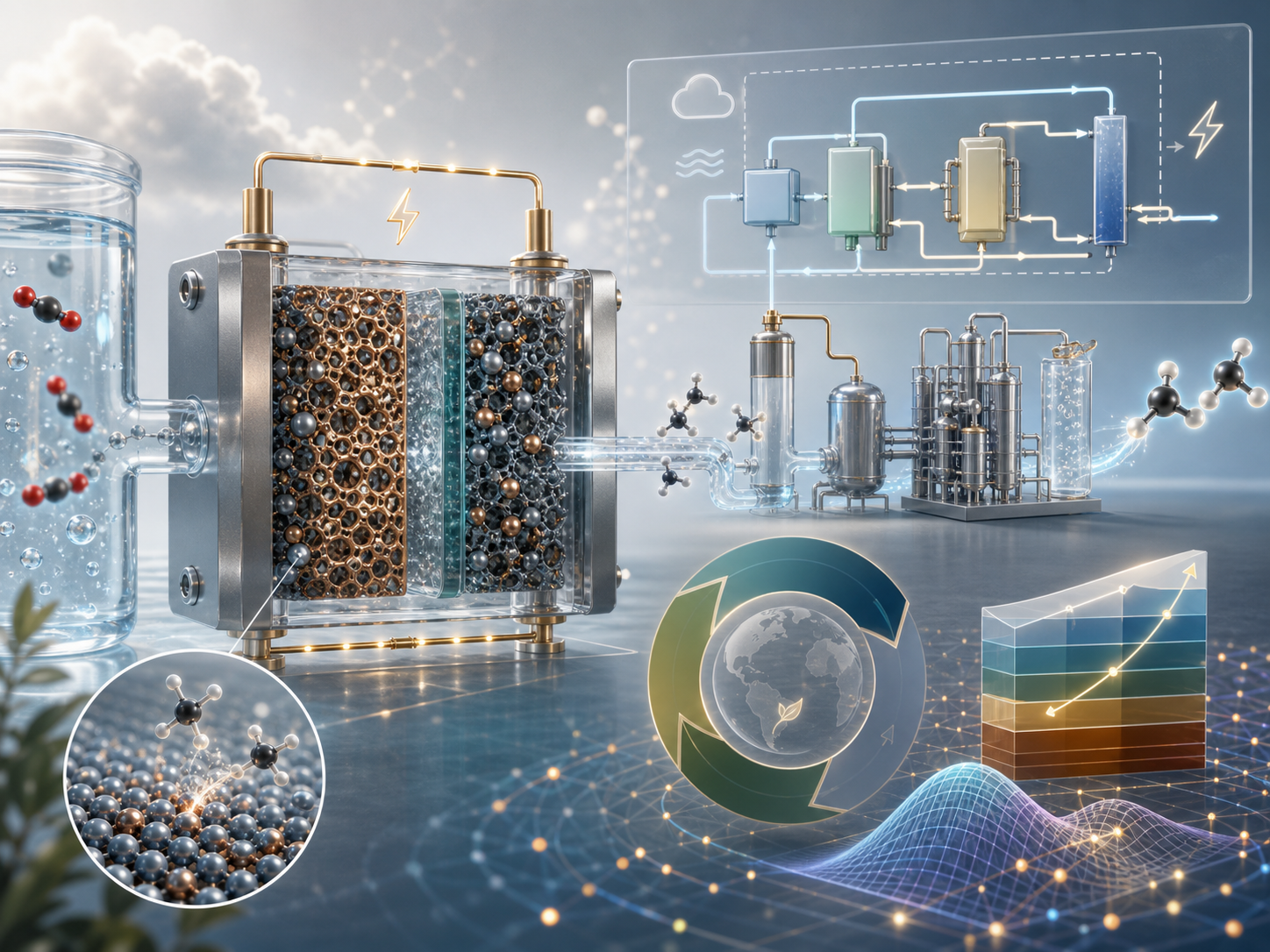
Dilute alloy electrocatalysts for C-C coupling
Electrosynthetic ethylene production from a CO2 post-capture liquid.
View article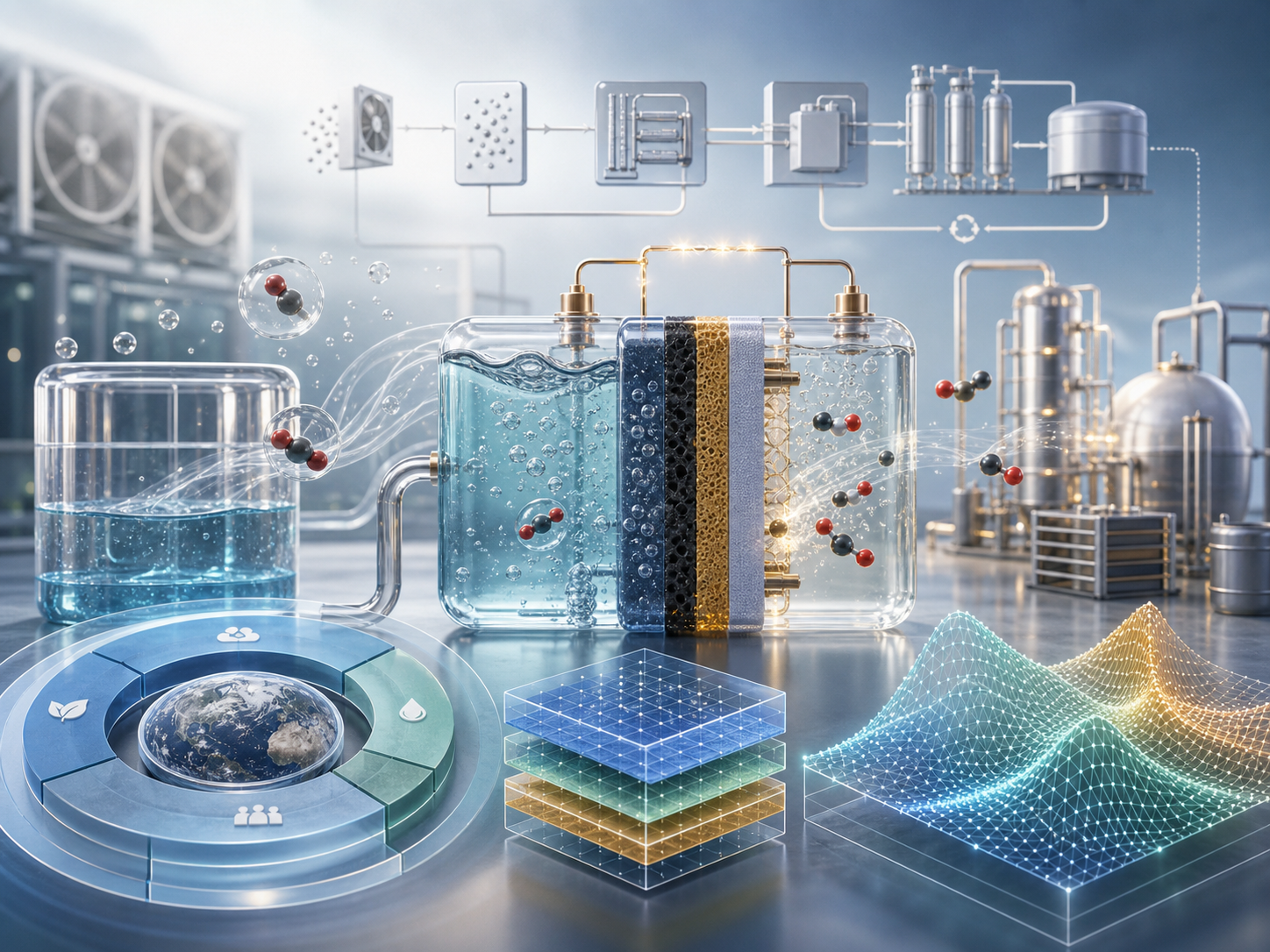
Electrosynthesis of CO from pH-shifted DAC liquid
Catalyst-support amide linkage design for post-capture carbon utilization.
View article
Porous carbon supports for electrified syngas production
Integrated capture and conversion pathways for efficient syngas generation.
View article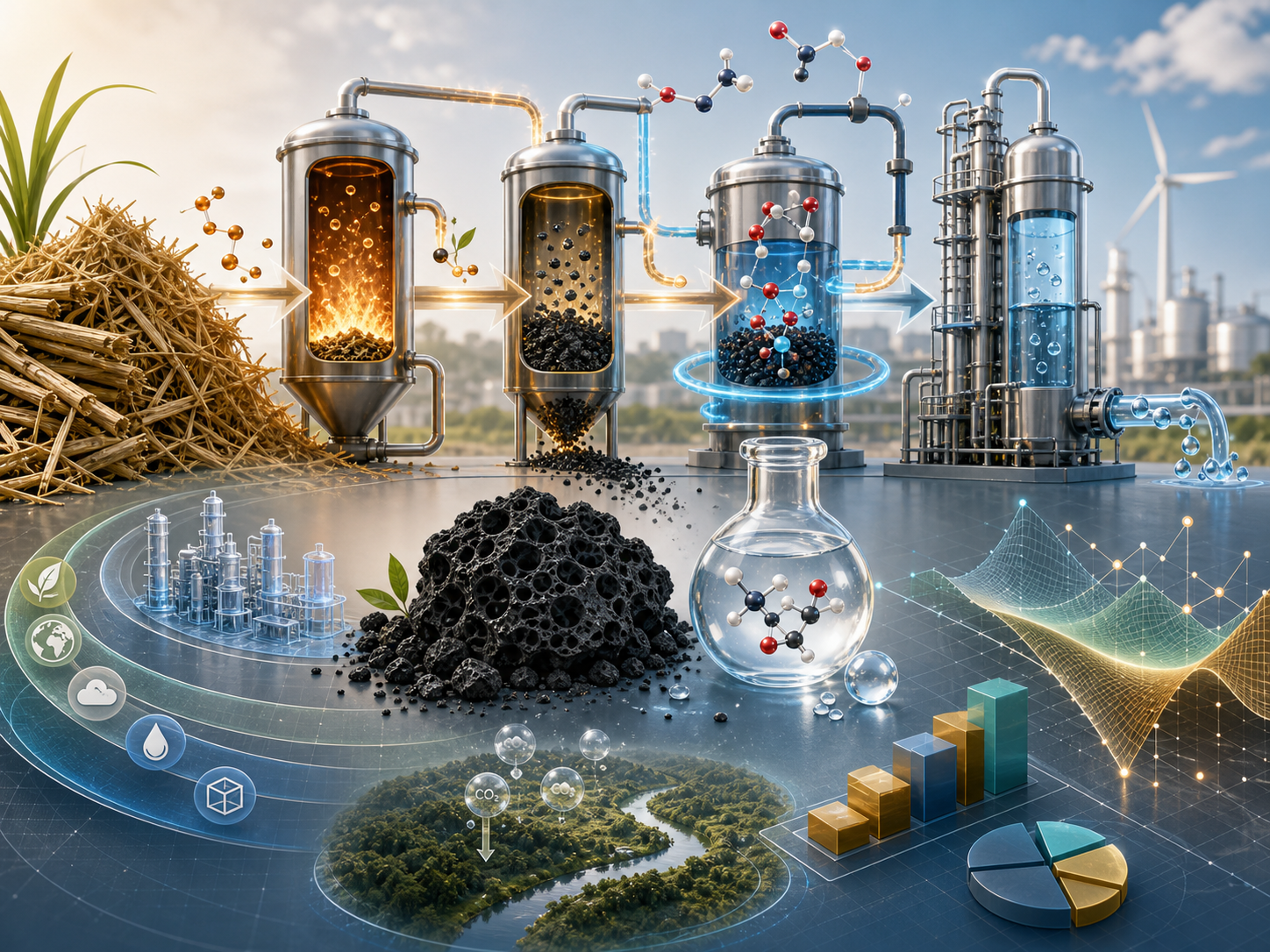
Carbon-negative methanol and activated carbon
Bagasse pyrolysis, activation, chemical looping, and methanol synthesis.
View article
Integrated methanol and biochar from wastes
A combined route for carbon sequestration, bioenergy, and waste valorization.
View article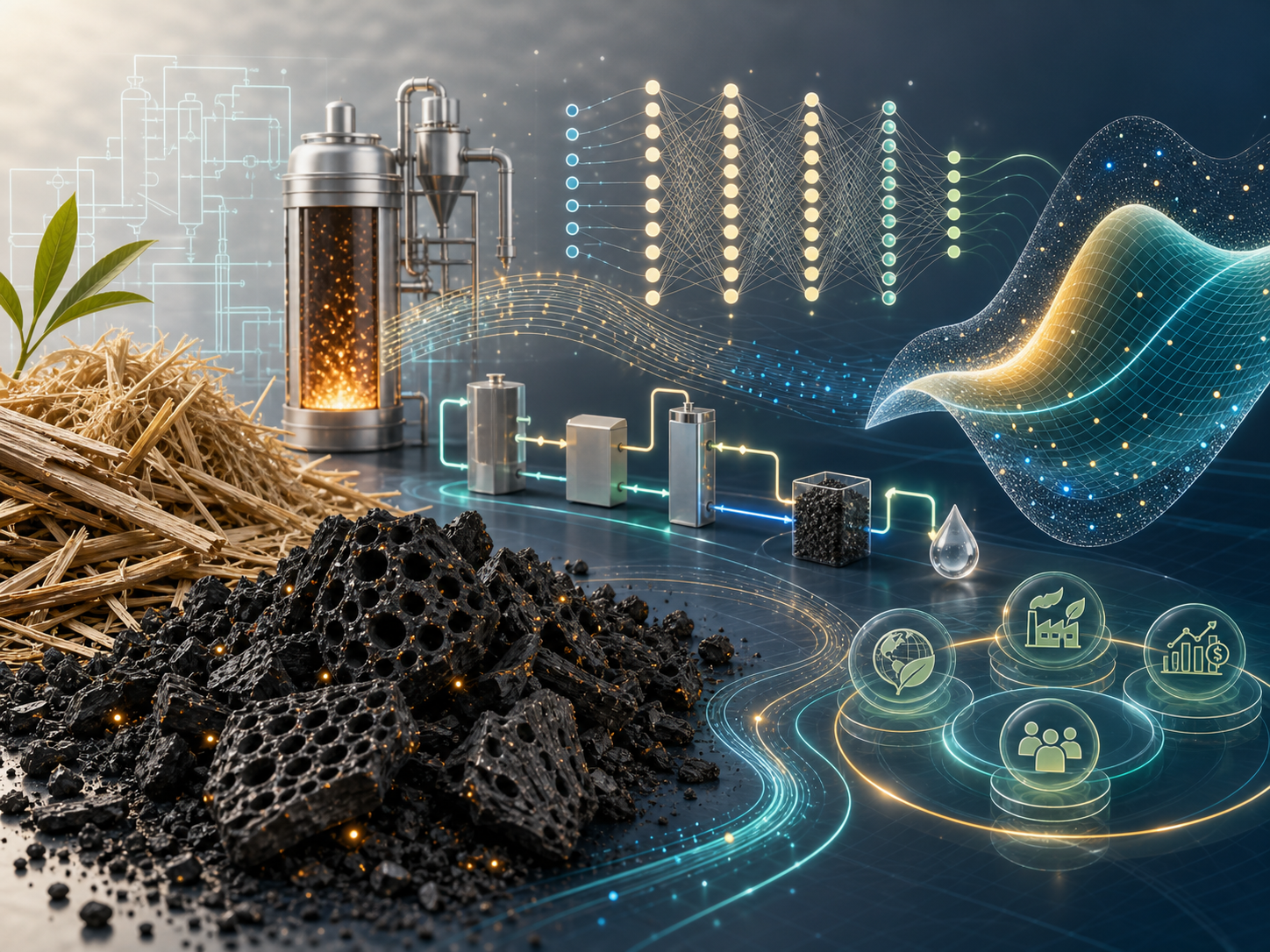
Predicting biochar properties from torrefaction
Data-driven models linking lignocellulosic feedstocks to biochar performance.
View articleResearch software for LCA, TEA, and AI workflows.
These GitHub projects turn recurring sustainability-assessment problems into reusable tools: evidence extraction, harmonization, uncertainty, regionalization, dynamic LCA, scale-up decisions, and model evaluation.
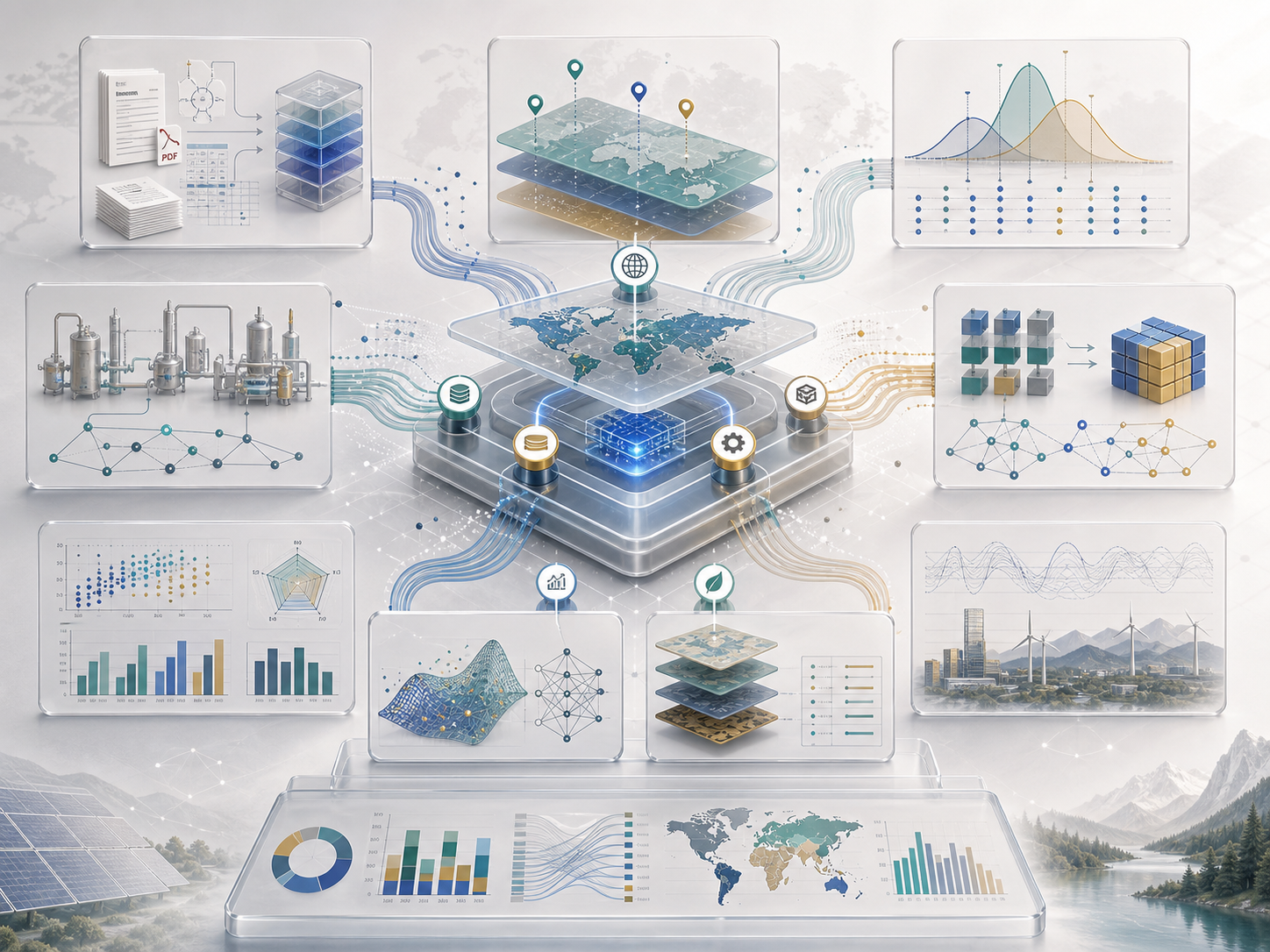
Open LCA Systems Stack
A connected research-software ecosystem for making LCA evidence more traceable, spatially aware, uncertainty-aware, and useful for technology scale-up decisions.
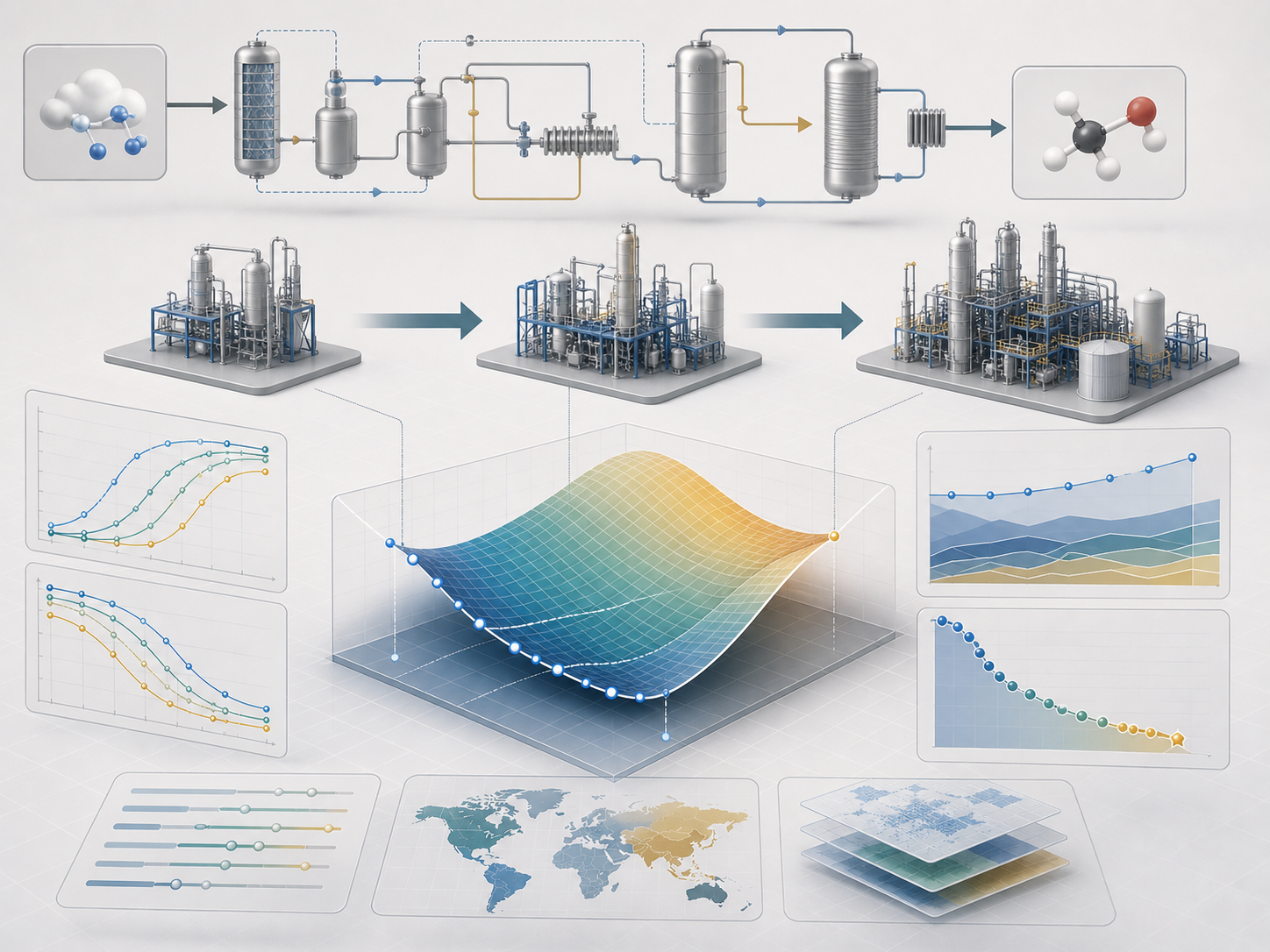
ScaleBridge
Joint ex-ante scale-up analysis for emerging technologies, linking process assumptions, cost, GHG intensity, scenarios, carbon price, and Pareto screening.
Open GitHub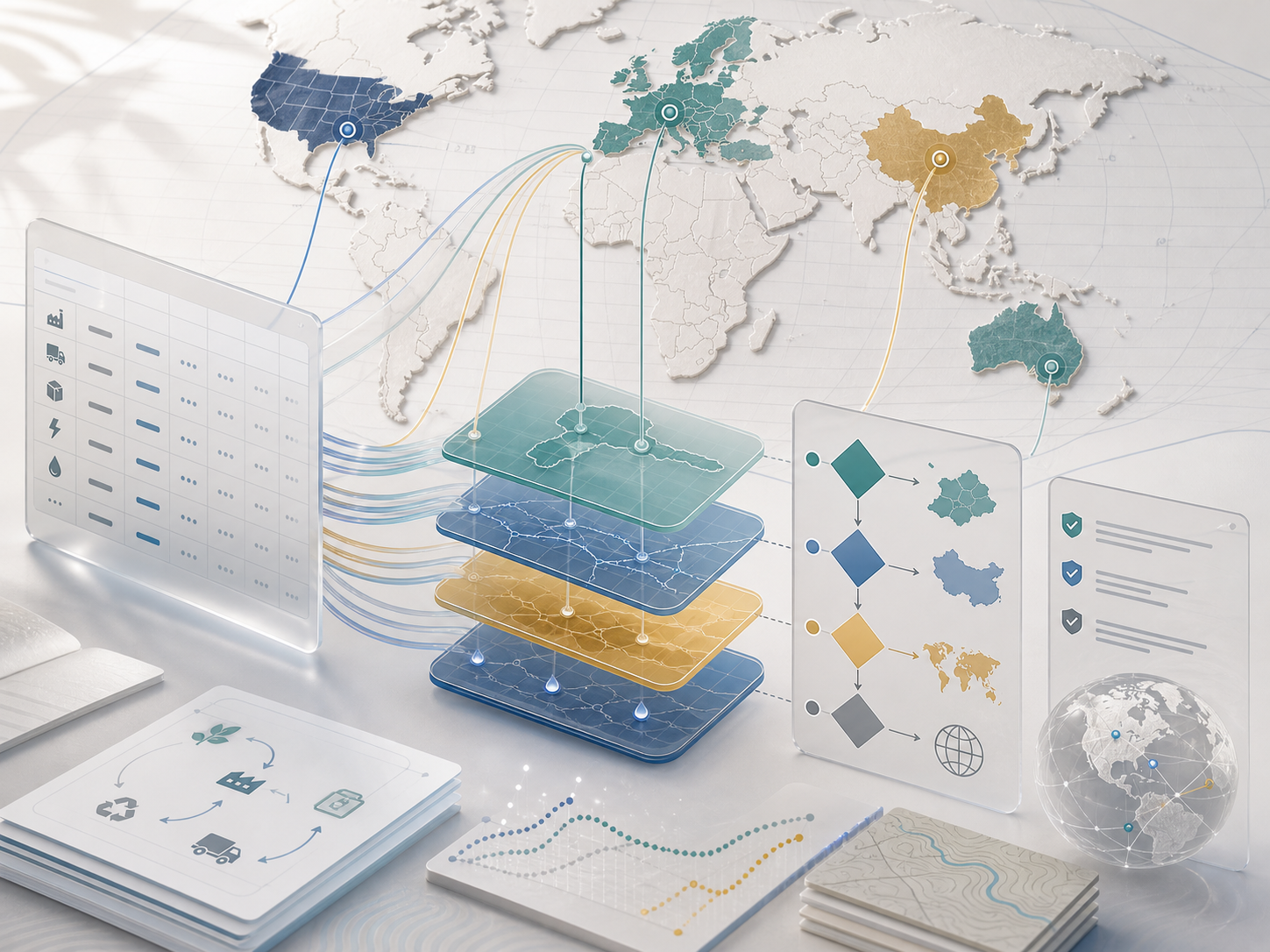
GIS-LCA
A geography normalization and regional factor adapter that makes location handling, fallback logic, and factor provenance visible in LCA workflows.
Open GitHub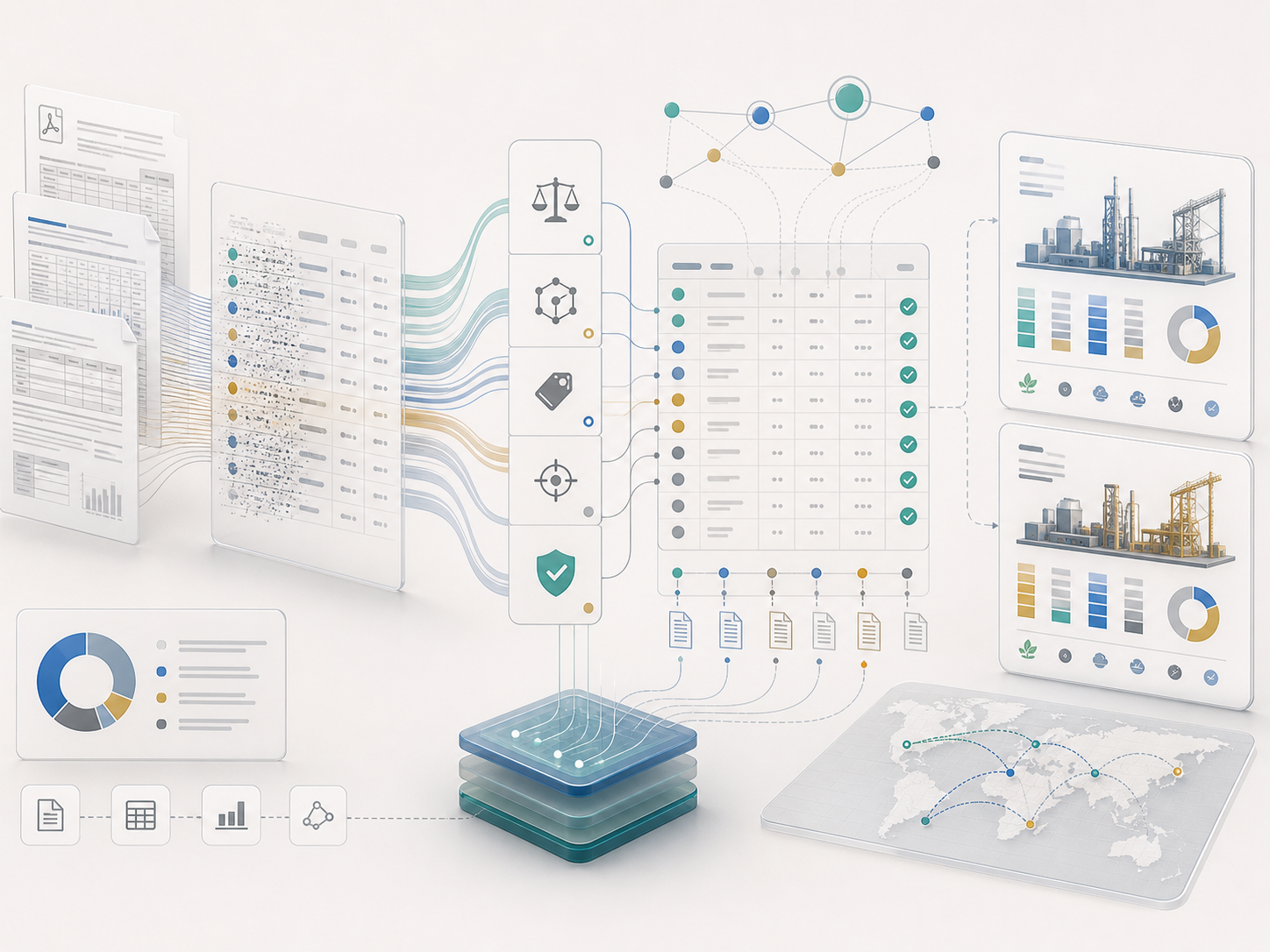
LCA-Harmonizer
Turns messy LCA literature into cleaner, comparable, model-ready evidence with unit, functional-unit, boundary, provenance, and quality checks.
Open GitHub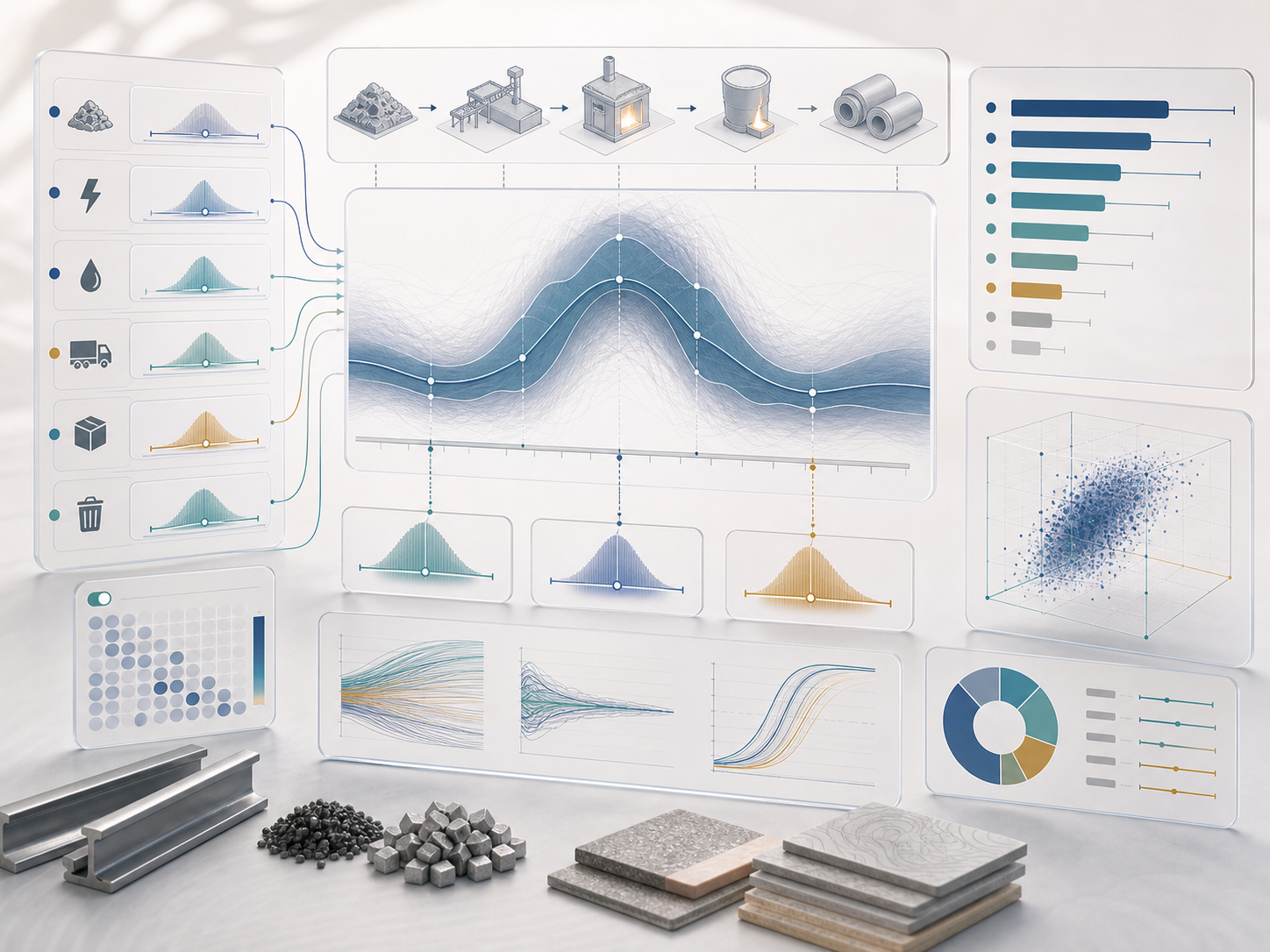
LCA-Uncertainty
Propagates uncertainty through LCA inventories using pedigree mapping, lognormal sampling, Monte Carlo simulation, percentile summaries, and sensitivity ranking.
Open GitHub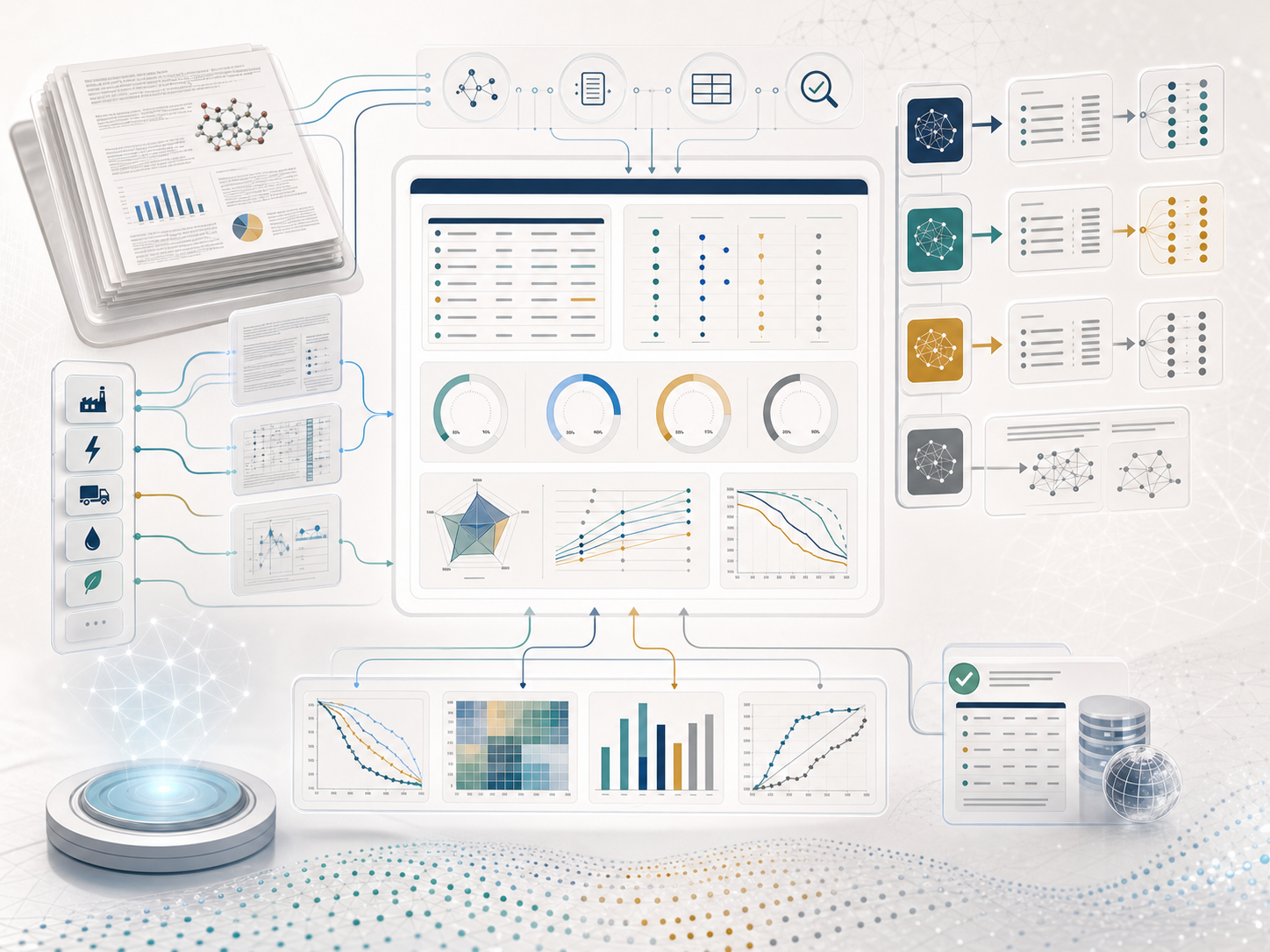
LCA-Benchmark
Evaluates AI-assisted LCA extraction and recommendation workflows with numeric matching, grounding checks, top-k scoring, and machine-readable reports.
Open GitHub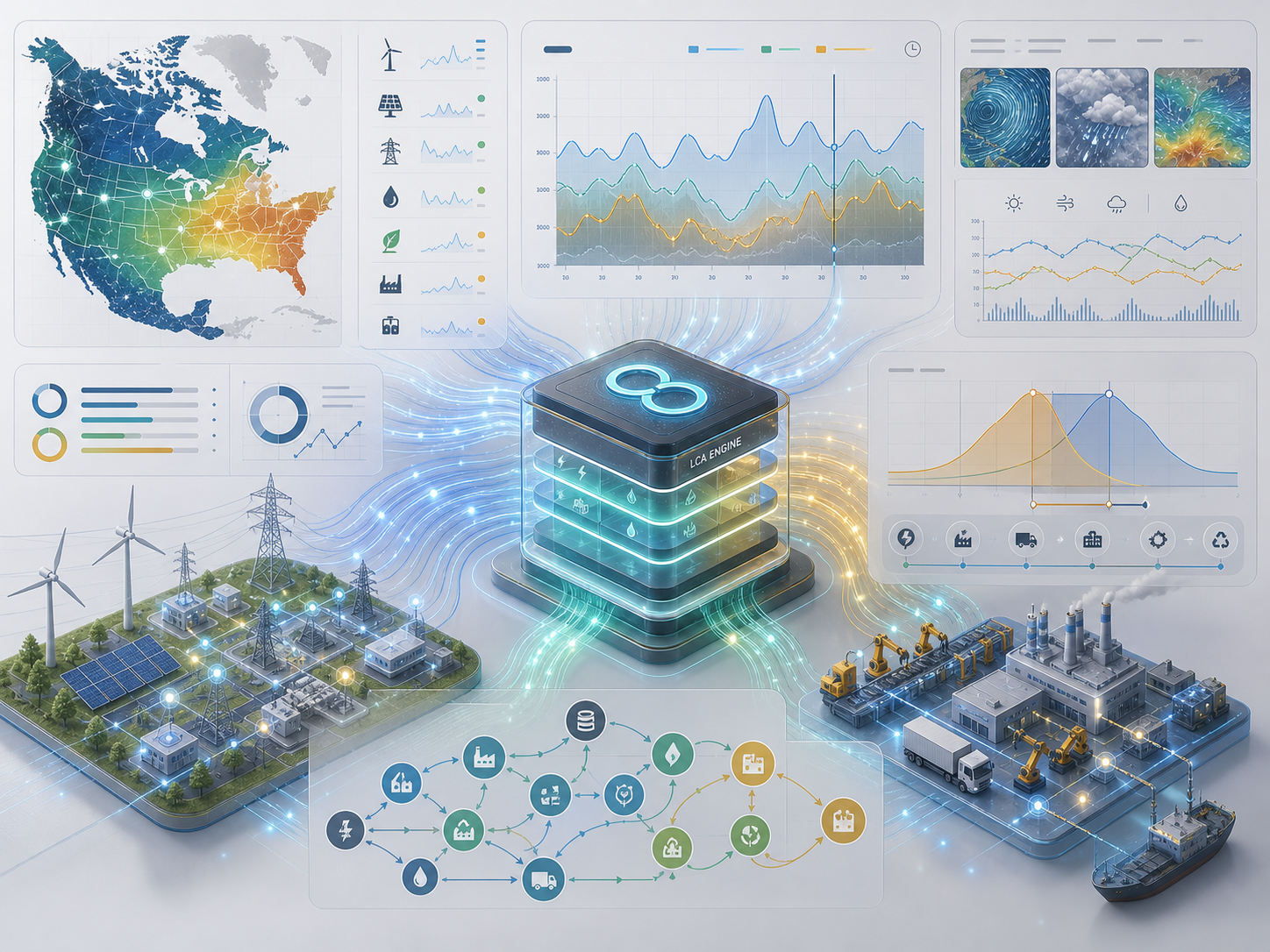
DynLCA
Connects live grid carbon intensity and time-aware data streams to LCA calculations, supporting dynamic footprints and operational timing questions.
Open GitHub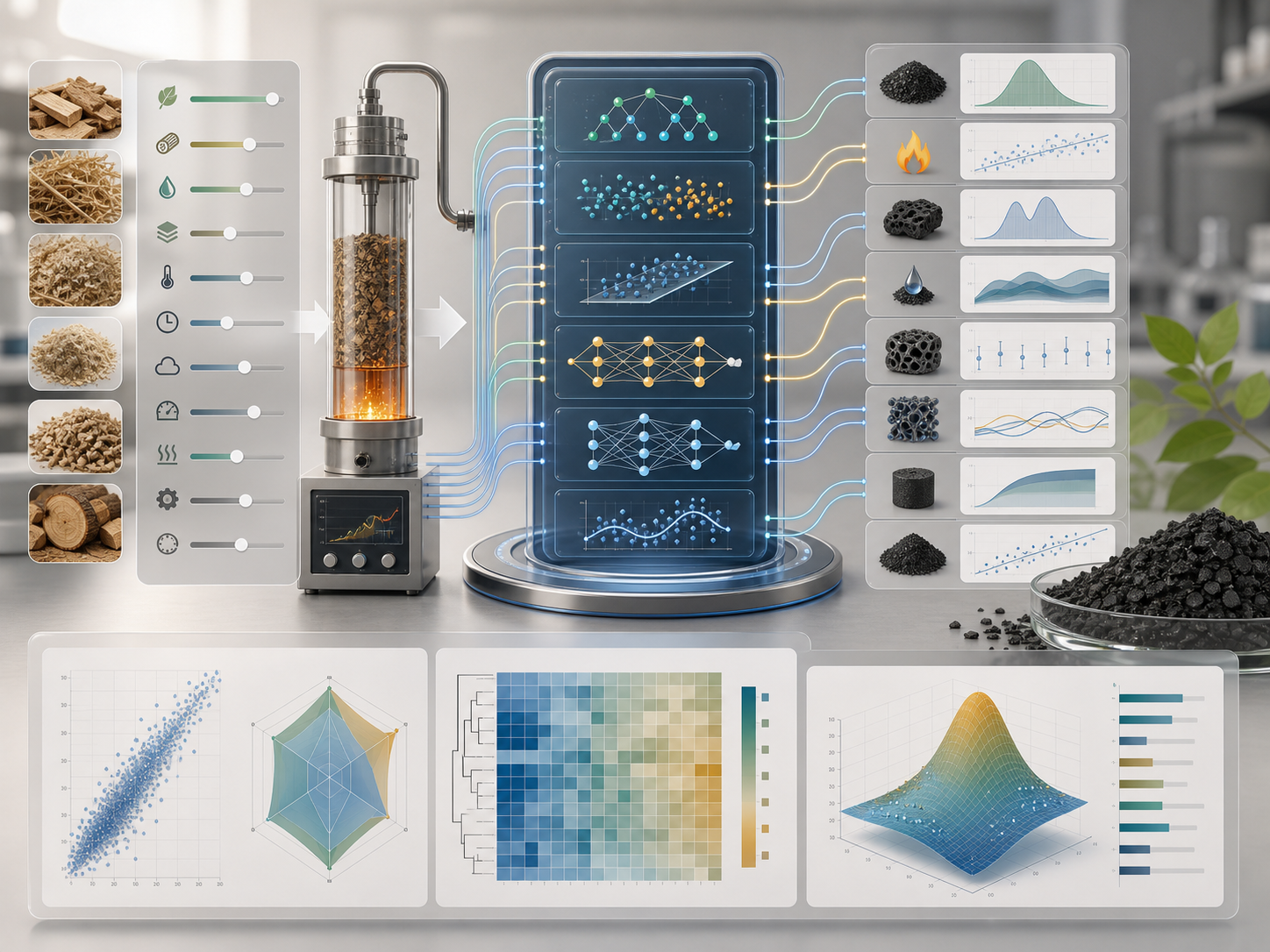
BiocharPredictionApp
A Tkinter GUI using a GBM model to predict yield, heating value, elemental composition, and proximate properties from biomass torrefaction inputs.
Open GitHub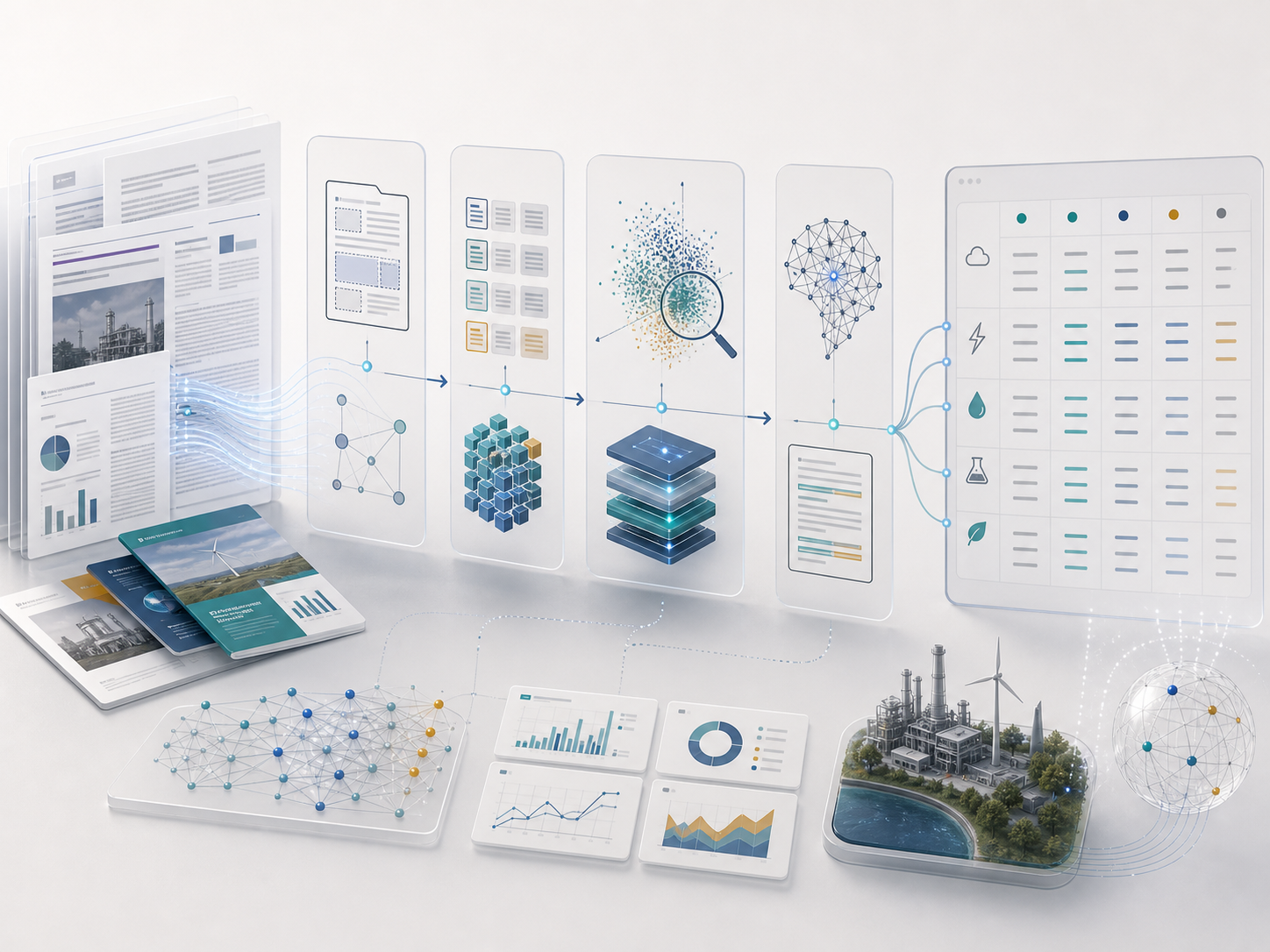
LCA-DataExtractor
An LLM-powered pipeline for parsing papers and EPD reports, retrieving relevant chunks, and extracting structured LCI flows into reusable tables.
Open GitHub